Product Description
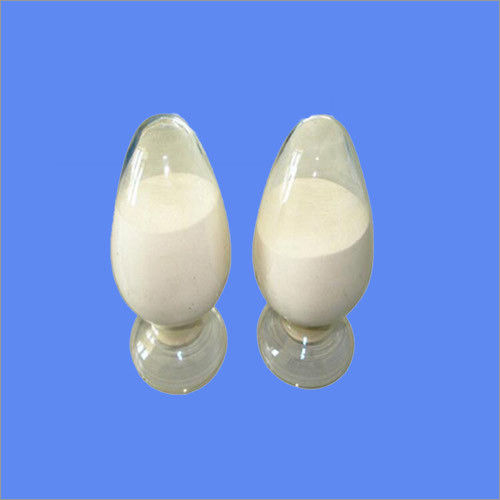
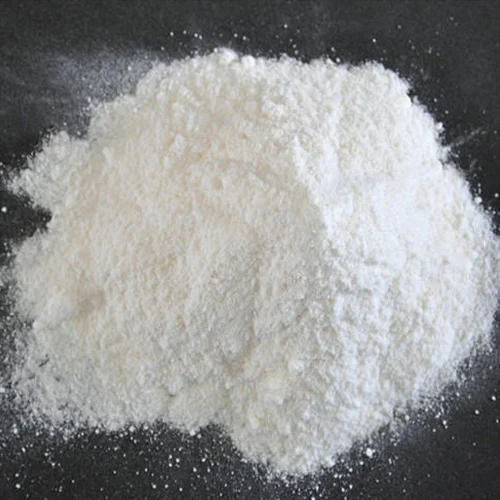
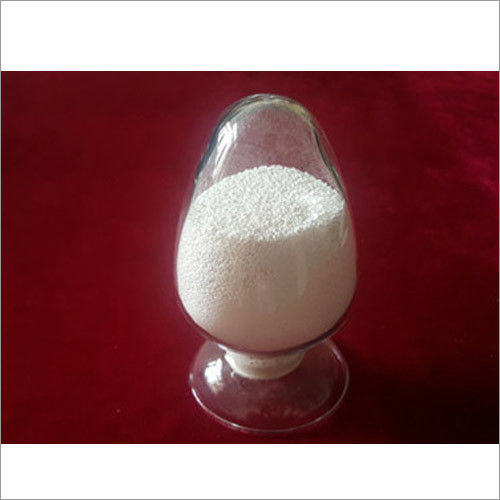
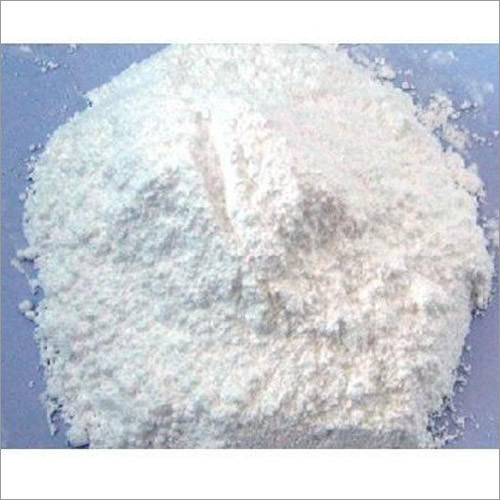
Our organization has gained expertise in manufacturing exporting supplying and trading highquality Lithium Carbonate Micronized Battery Grade The offered product is an inorganic compound and lithium salt of carbonate This inorganic salt is white in color and widely used as a precursor in making critical battery materials Lithium Carbonate Micronized Battery Grade is a free flowing odorless powder with guaranteed purity and perfect particle size It is nonflammable with low mineral impurities and low water content
Precautions
Use with adequate ventilation
Keep away from strong acids
Keep container closed
Technical Specification
Formula Li2CO3
Molar mass 73891 gmol
Soluble in Water
Specific heat capacity C 974 JmolK
Gibbs free energy fG 11324 kJmol
Refractive index nD 1428
Micronized for Enhanced PerformanceOur Lithium Carbonate Micronized Battery Grade undergoes precise processing to achieve micronization, optimizing its suitability for industrial applications in battery production.
High-Quality Industrial GradeExperience the reliability and efficiency of industrial-grade Lithium Carbonate designed to meet the rigorous demands of modern manufacturing processes.
FAQs of Lithium Carbonate Micronized Battery Grade:
Q: What is Lithium Carbonate Micronized Battery Grade used for?
A: Lithium Carbonate Micronized Battery Grade is primarily used in the production of lithium-ion batteries and other battery-related applications.
Q: How is the micronization beneficial for battery-grade Lithium Carbonate?
A: Micronization ensures uniform particle sizes, enhancing the chemical performance and processing efficiency during battery manufacturing.
Q: Where is this product typically stored?
A: This product is stored at room temperature, ensuring its stability and maintaining its physical properties.
Q: What is the molecular formula of Lithium Carbonate Micronized Battery Grade?
A: The molecular formula is LiCO.
Q: Why is it classified as an organic chemical?
A: Lithium Carbonate is classified as an organic chemical due to its use in chemical synthesis and compatibility with organic chemistries.
Q: Who can benefit from using this product?
A: Manufacturers and industrial professionals focused on the production of batteries and energy storage solutions can benefit from this product.
 Mon-Sat 9.00 AM to 6.00 PM






 Send Inquiry


 Send Inquiry
 Send SMS
 Call Me Free


 English
 Spanish
 French
 German
 Italian
 Chinese (Simplified)
 Japanese
 Korean
 Arabic
 Portuguese